
Encouraging Exploration
To encourage genuine autonomy and a love for exploration, creating an environment that supports both physical and emotional learning is crucial. Being actively engaged with your child as they navigate life and learning, and adapting your approach to learning, are essential for their development. These elements form the foundation of a lifelong journey of learning and connection, which is especially vital for supporting a child with Pathological Demand Avoidance (PDA) in maintaining a secure mental and physical state. This supportive environment helps them engage their thinking brain, while facilitating their ability to learn and grow.
For children with PDA, offering hands-on learning experiences that address their sensory, novelty, and dopamine needs is crucial. These children seem to have an innate need to explore, discover, and construct knowledge about their world through tactile experiences. This takes place through direct interaction with materials, while fostering curiosity and empowering learning. Given their higher need for co-regulation, you play a vital role in creating an environment of safety and security. By actively engaging and remaining closely involved, you encourage exploration and learning together, while strengthening your connection and fostering a deep sense of security.
Self-directed learning requires you to let go of traditional educational approaches and rely heavily on trusting your child and understanding their needs. It’s an active process where you play a crucial role as a guide in their success and learning.
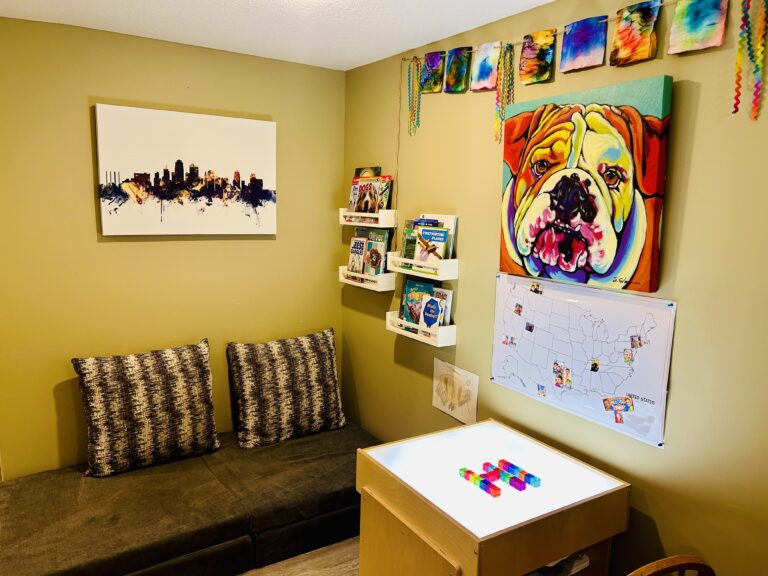
Environment
Creating an ideal environment for self-directed learning at home involves fostering a space that promotes autonomy, curiosity, creativity, and encourages exploration.
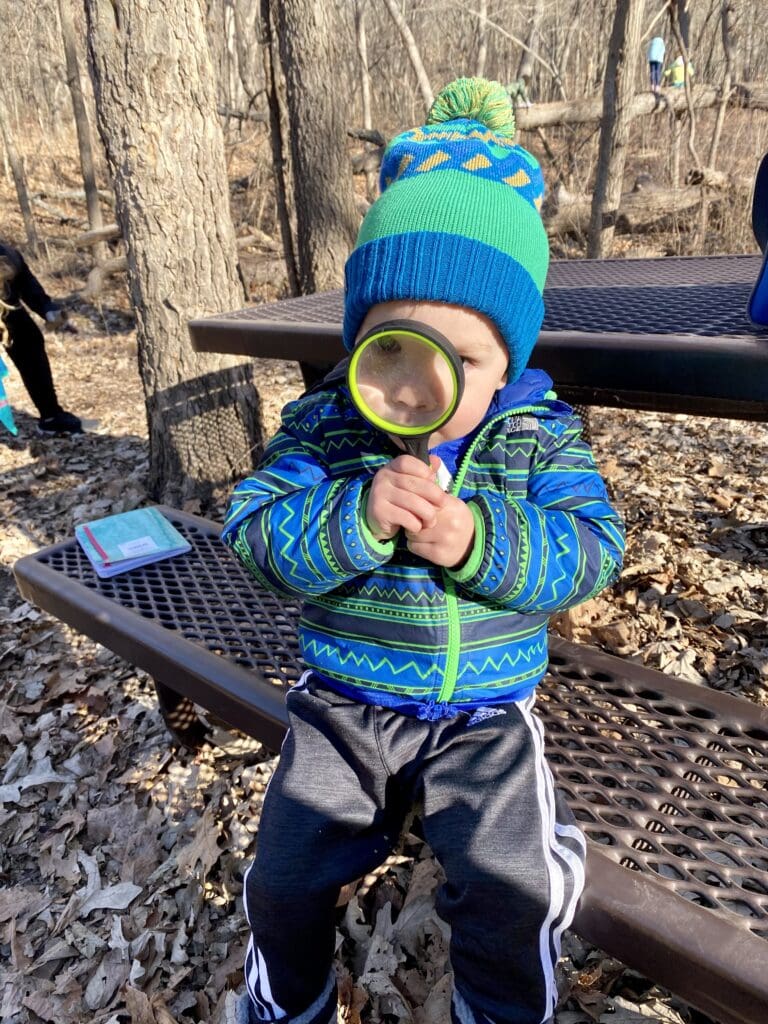
Observation and Exploration
Parental observation in self-directed learning is vital. It deepens the parent-child connection, while nurturing curiosity, a love for learning, and encouraging exploration.
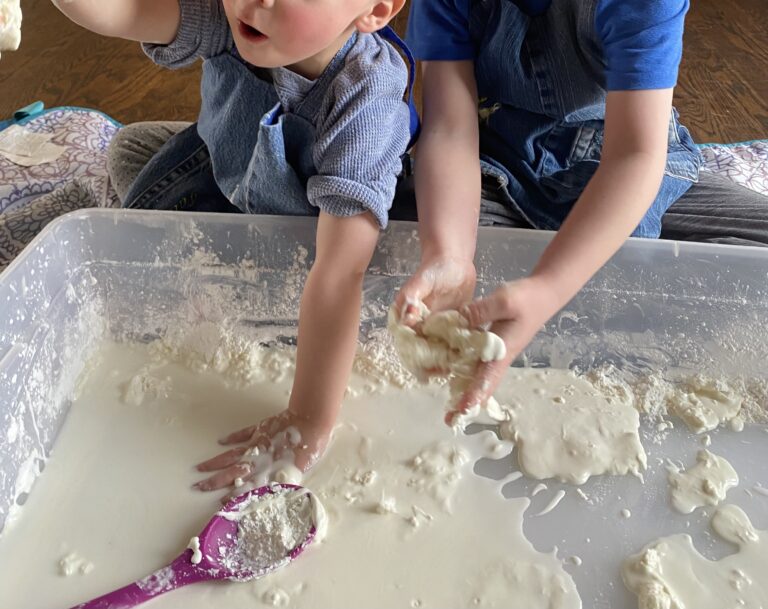
Hands On Learning
Hands-on learning is a vital means for children to explore, discover, and construct knowledge about the world around them.

Challenge Your Mindset
Self-directed learning challenges traditional views on education and parenting, sparking uncertainty. However, trusting your children and allowing them freedom to explore leads to remarkable transformations.