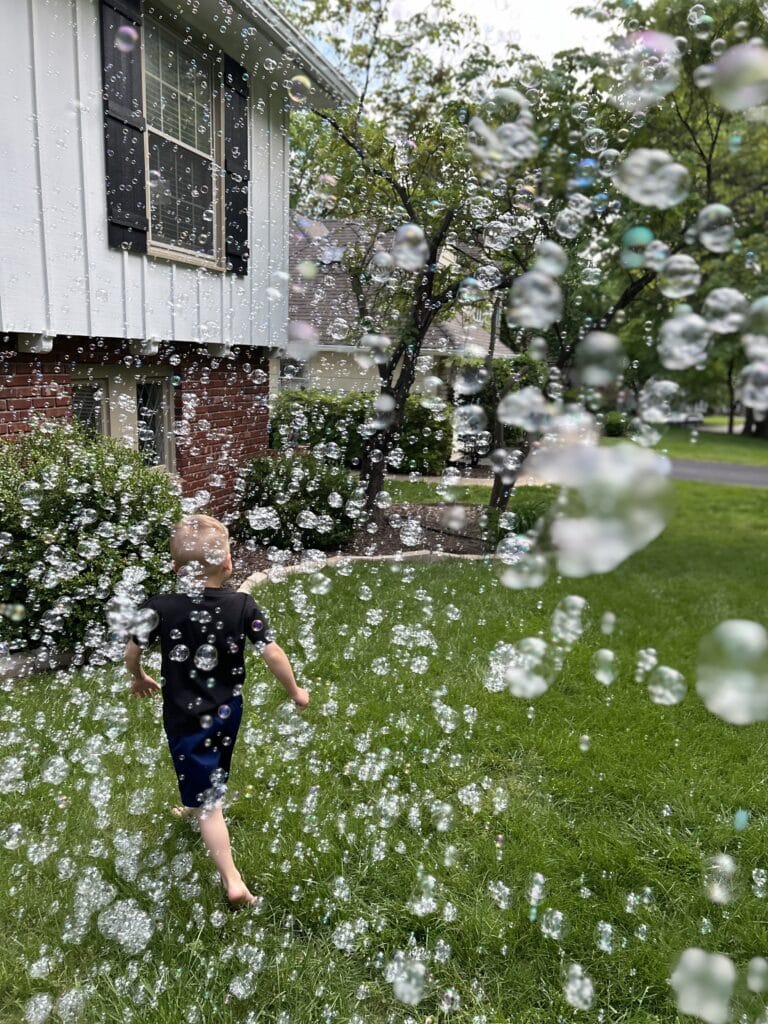
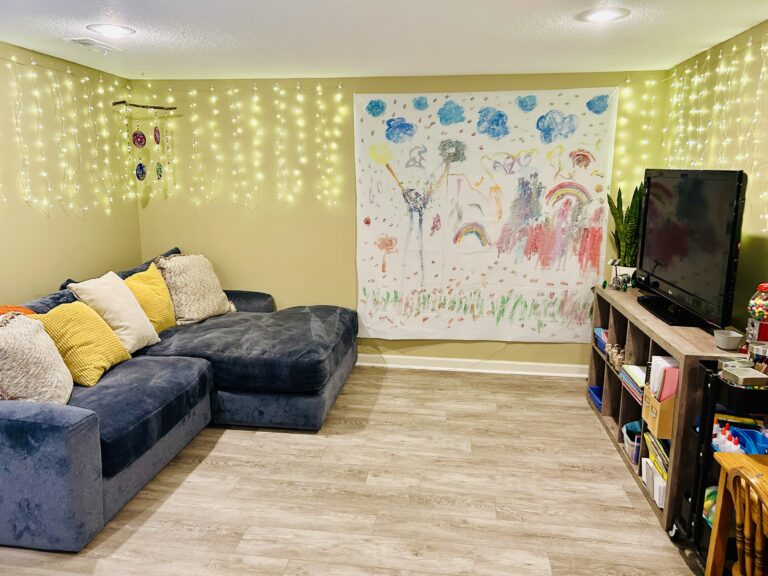
Creating a space for my children opened doors to their willingness to explore and learn.
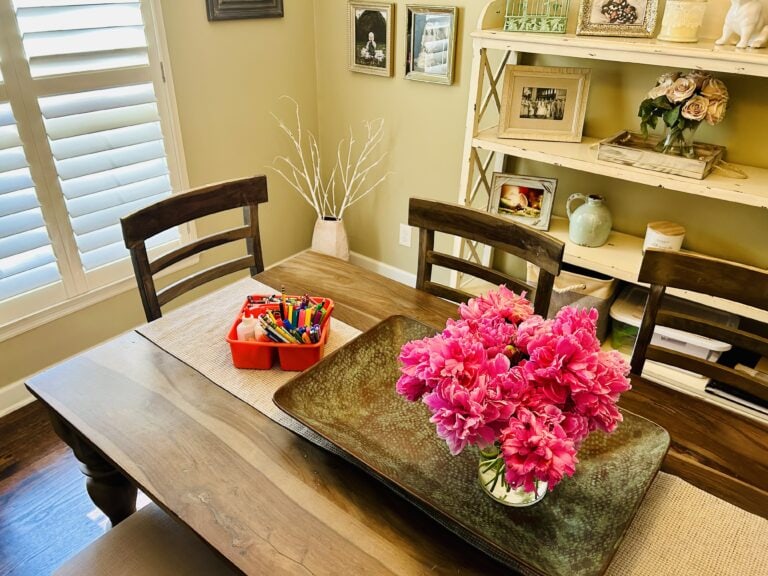
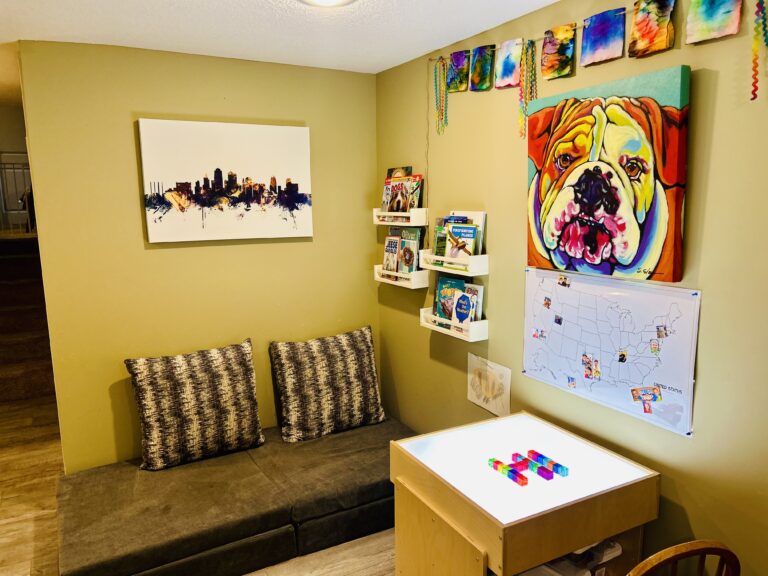
Creativity thrives around this table. From experiments to masterpieces, this is where ideas come to life.
Crafting the Environment
In self-directed learning, the environment plays a crucial role. Drawing inspiration from the Reggio Emilia approach, which refers to the environment as the ‘third teacher’ in ‘The Hundred Languages of Children‘ by Carolyn Edwards, Lella Gandini, and George Forman. I’ve discovered that the environment serves as the catalyst for countless learning opportunities led by my child. While this approach is not the only path to creating an effective learning environment for your child, I wanted to share it with you as it has proven successful for mine and many others.
Creating the Space
choose a comfortable and inviting space
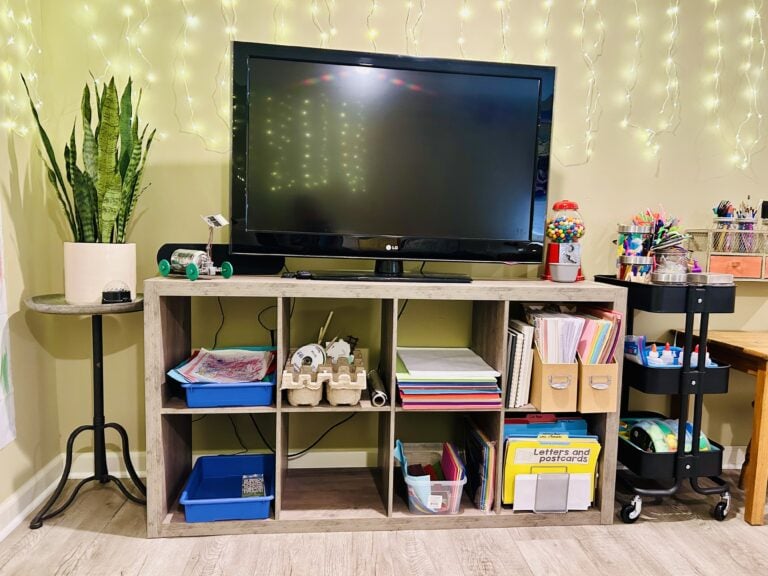
Set up a dedicated workspace at home for self-directed learning, where comfort and fun rule. Additionally, to create a calm and inviting space, be sure there is plenty of light, cozy seating, and room to move around. Additionally, ensure materials are easily accessible for your child, enabling them to explore freely. Naturally, expect projects to be left out and messes to happen—it’s all part of the learning process.
Remember, every family’s setup is different, so focus on creating a space that fits your family’s needs and resources. Ultimately, the goal is to trust your child with the space and materials, while fostering independence and strengthening your bond. By shifting your mindset and empowering your child to take charge, you’ll build a solid foundation for their learning and growth. Moreover, here are a few examples of how to use a space to create a self-directed learning environment.
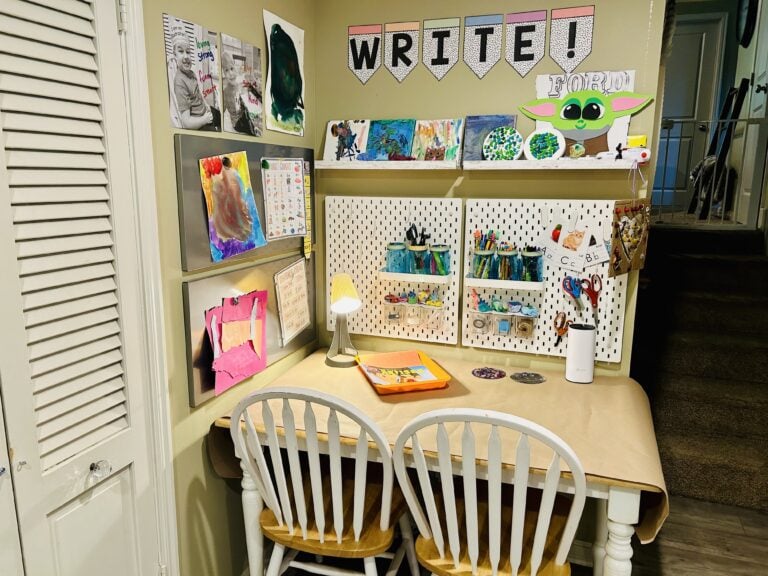
creation station
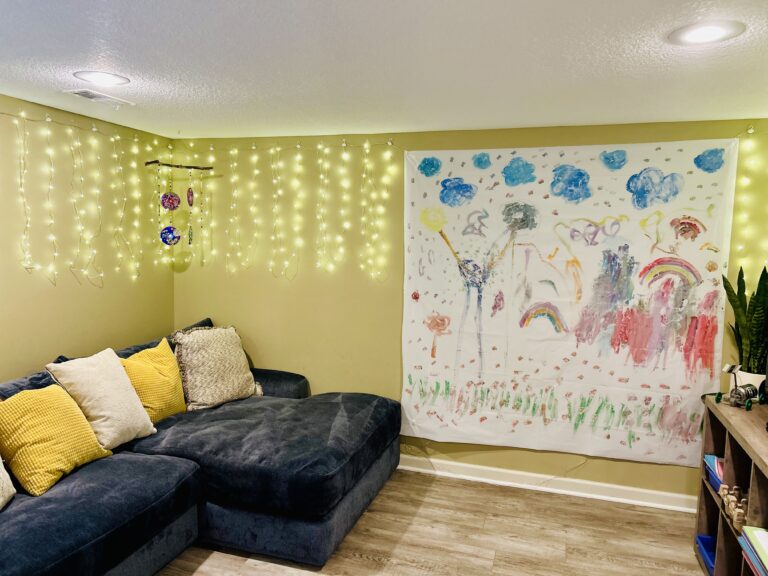
Cozy spaces
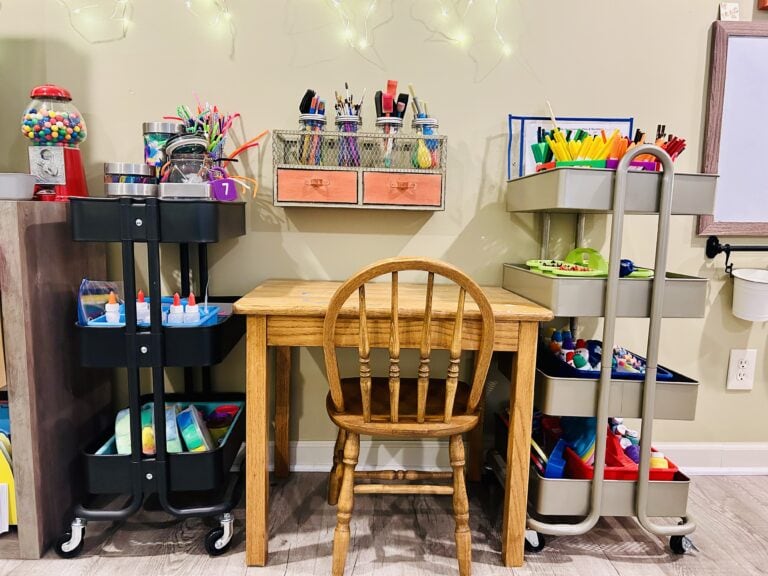
Materials
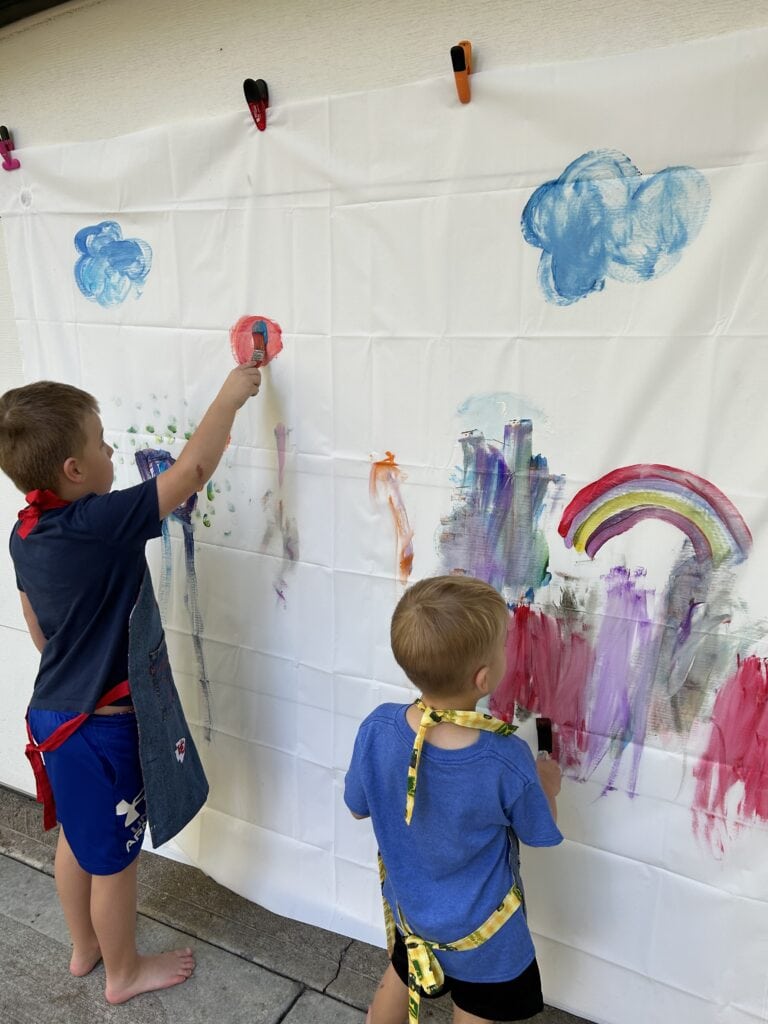
Displaying projects
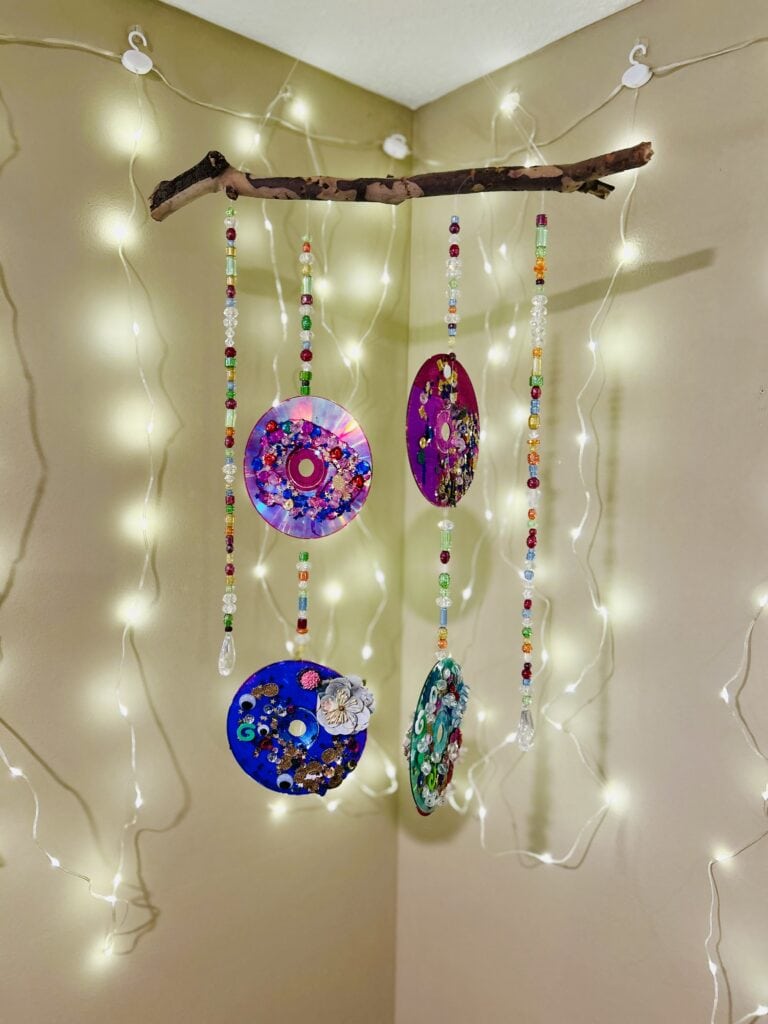
Bring in nature
Sensory Exploration
Resources