
Self-Directed Learning and the Power of the Guided Autonomy Program
Self-directed learning nurtures independence, curiosity, and lifelong skills while supporting your child’s brain and nervous system by creating felt safety essential for learning. Autonomy is a core need for nervous system regulation—when children have control over their learning, they feel safe, focused, and emotionally resilient.
Free from constant demands, this approach honors your child’s unique style and pace, building confidence and ownership of their learning.
By encouraging passions and offering personalized support, self-directed learning helps your child develop life skills and navigate the world with confidence—strengthening your bond along the way.
Why Guided Autonomy Matters for Self-Directed Learning
For children with Pathological Demand Avoidance (PDA), supporting the brain and nervous system through felt safety is critical. PDA’s intense drive for autonomy can activate nervous system stress, making traditional approaches challenging.
Our Guided Autonomy Program balances freedom with intentional support, creating learning environments that soothe the nervous system and foster trust.
Built around our GUIDE Framework, it helps families create spaces where autonomy and emotional regulation grow together.
The GUIDE Framework: Your Roadmap to Empowered Learning and Parenting
- Ground Yourself First
Become the calm, regulated anchor your child can trust, supporting nervous system regulation. - Understand PDA
Gain insight into your child’s experience and how autonomy impacts their nervous system and behavior. - Invite, Don’t Impose
Use low-demand parenting and teaching to reduce stress and replace pressure with collaboration. - Design Environment & Education Around the Child
Create flexible, interest-led spaces that honor your child’s rhythms and nervous system needs. - Empower Through Connection
Build trusting relationships that promote emotional safety and growth.
What You’ll Find in the Guided Autonomy Program
- Workbooks with reflection prompts and nervous system–friendly strategies
- Step-by-step courses guiding you through the principles
- Supportive community resources for ongoing encouragement
These tools nurture autonomy while providing the structure and safety your child needs to thrive.
Ready to Embrace Guided Autonomy?
Explore our Guided Autonomy Program workbooks and courses today and take the next step toward joyful, nervous system–supportive self-directed learning.
Understanding Self-Directed Learning
Guiding your child’s journey
Becoming your child’s guide in self-directed learning is a transformative journey of trust, collaboration, and empowerment. It involves stepping back as the traditional teacher and instead assuming the role of facilitator, mentor, and cheerleader. As a guide, you provide resources, support, and encouragement, while allowing your child the autonomy to explore their interests, set goals, and take ownership of their learning. By fostering a nurturing environment where curiosity is celebrated and mistakes are viewed as opportunities for growth, you empower your child to become a self-directed learner. Furthermore someone who is motivated, confident, and resilient in navigating their educational path.
No posts
No posts
Want to learn more?
I am here to help…
Through the Guided Autonomy Program find lasting change with small steps—insights on PDA, lowering demands, and nurturing self-directed learning—all delivered straight to your inbox.
Taking the First Steps: Where to Begin Your Child’s Journey
Where to begin your Child’s journey
Embarking on this new learning journey may seem daunting, but with a few key tips, you’ll be ready to start. Before diving in, remember to ensure that your child has a strong connection with you and feels co-regulated, safe, and ready to learn.
Many families take time to go through the deschooling process, which you can learn more about on my blog. Deschooling is the process of transitioning from traditional schooling to homeschooling or, in this case, self-directed learning, allowing time for children and parents to adjust to a new way of learning and living outside of the traditional school system.
This is especially important if you have a child who has recently experienced burnout. They may be returning to their safe space in their nervous system, known as the ventral vagal or the social engagement state. This concept is explained in Dr. Stephen Porges’ Polyvagal Theory. Essentially, it means they are feeling connected, safe, and ready to engage with their environment and others around them
Once the foundation of safety and connection is established, you can begin creatively identifying their interests and optimizing your learning space. Utilize strewing techniques to spark curiosity and encourage flexibility, while providing unwavering support and celebrating their achievements. Take time to familiarize yourself with homeschooling regulations, while you decide how you can offer your child freedom within the guidelines of the state. I’m here to help you bring autonomy, peace, and passion to your child’s learning experience at home.
Cultivating the Environment
nurturing self-directed learning
You can facilitate self-directed learning, while prioritizing a nurturing environment of high autonomy, rooted in trust and respect for your child. Most importantly, making sure that your child feels safe and emotionally connected, allowing them to fully engage in their learning. Additionally, explore ways to create dedicated learning spaces at home that cater to your child’s interests and passions. Utilize ‘strewing’ techniques to encourage exploration and inquiry-driven learning experiences. All the while, embracing flexible routines that empower your child to pursue their interests at their own pace. Stay actively involved in your child’s learning journey, offering support and guidance while fostering their sense of ownership over their education.
No posts
No posts
Hands-On Learning
Real-Life Examples of Self-Directed Learning Activities and Play
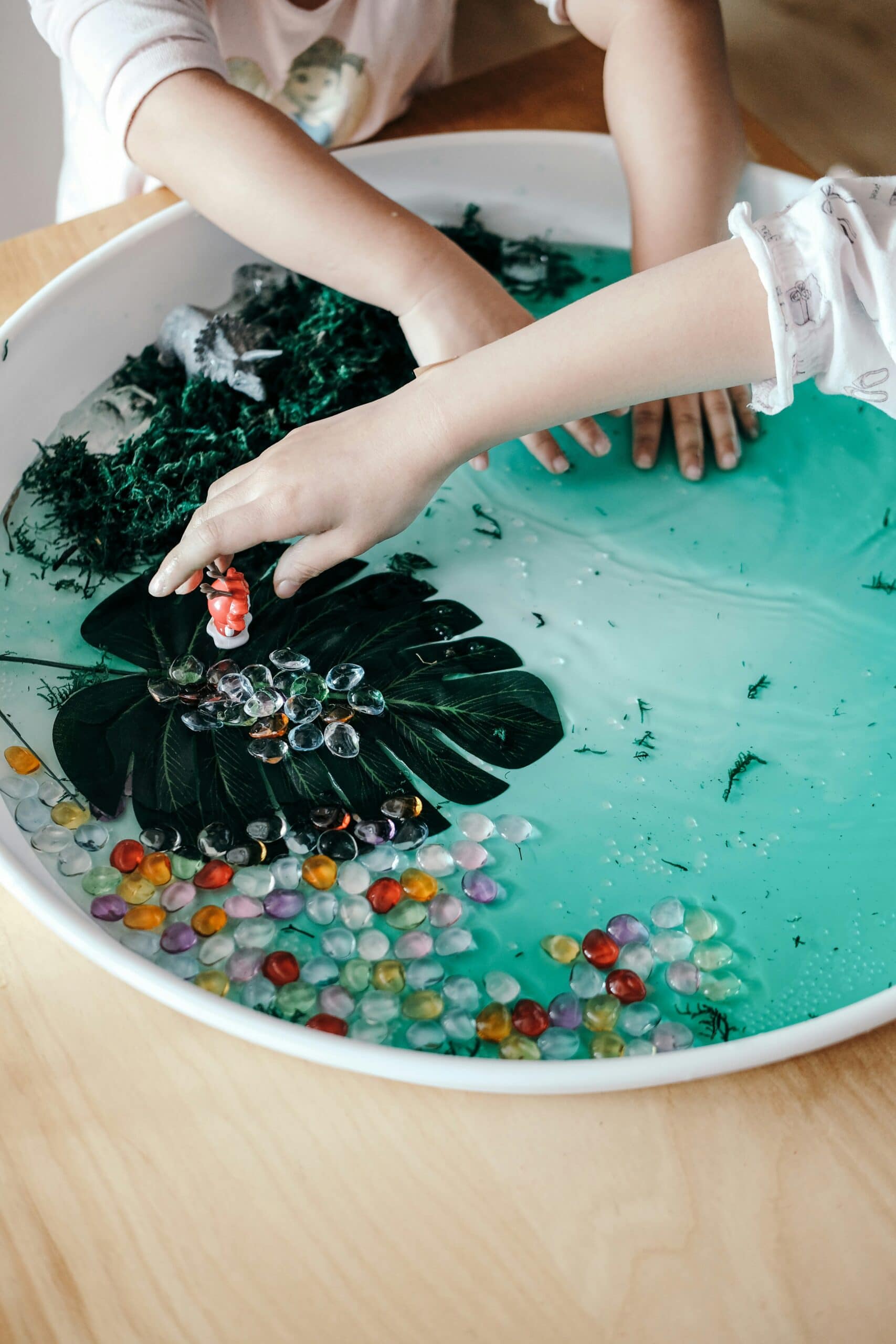
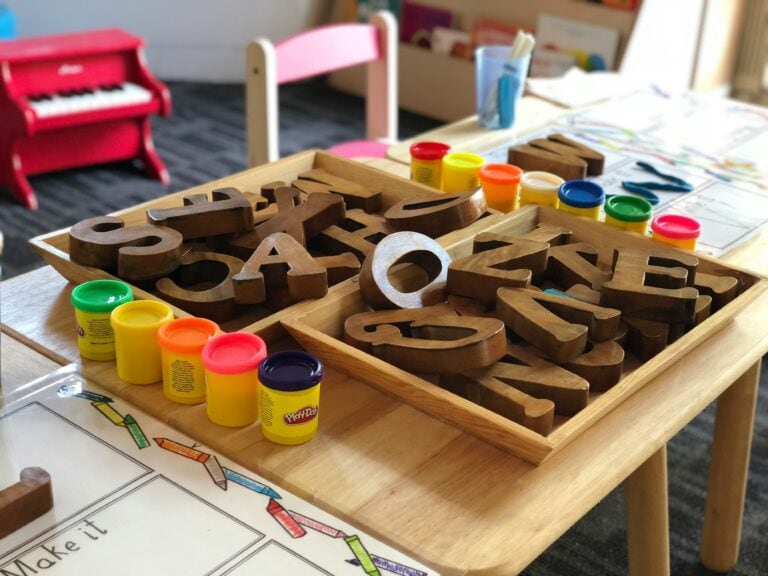
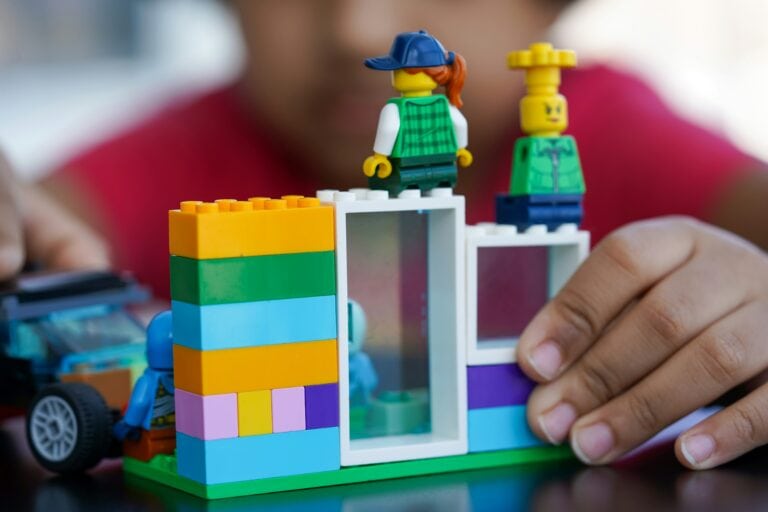
Explore our collection of self-directed learning examples, showcasing playful activities, carefully curated strewing experiences, and child-led exploration. Enjoy providing your child with opportunities to immerse themselves in learning, embracing their autonomy, while they pursue their passions at their own pace and find joy in their curiosity.
Sensory
Literacy
Special INterest
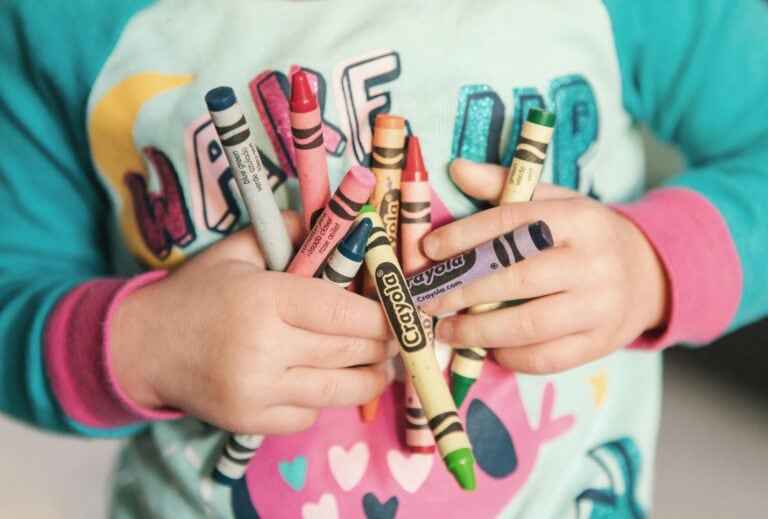
Art
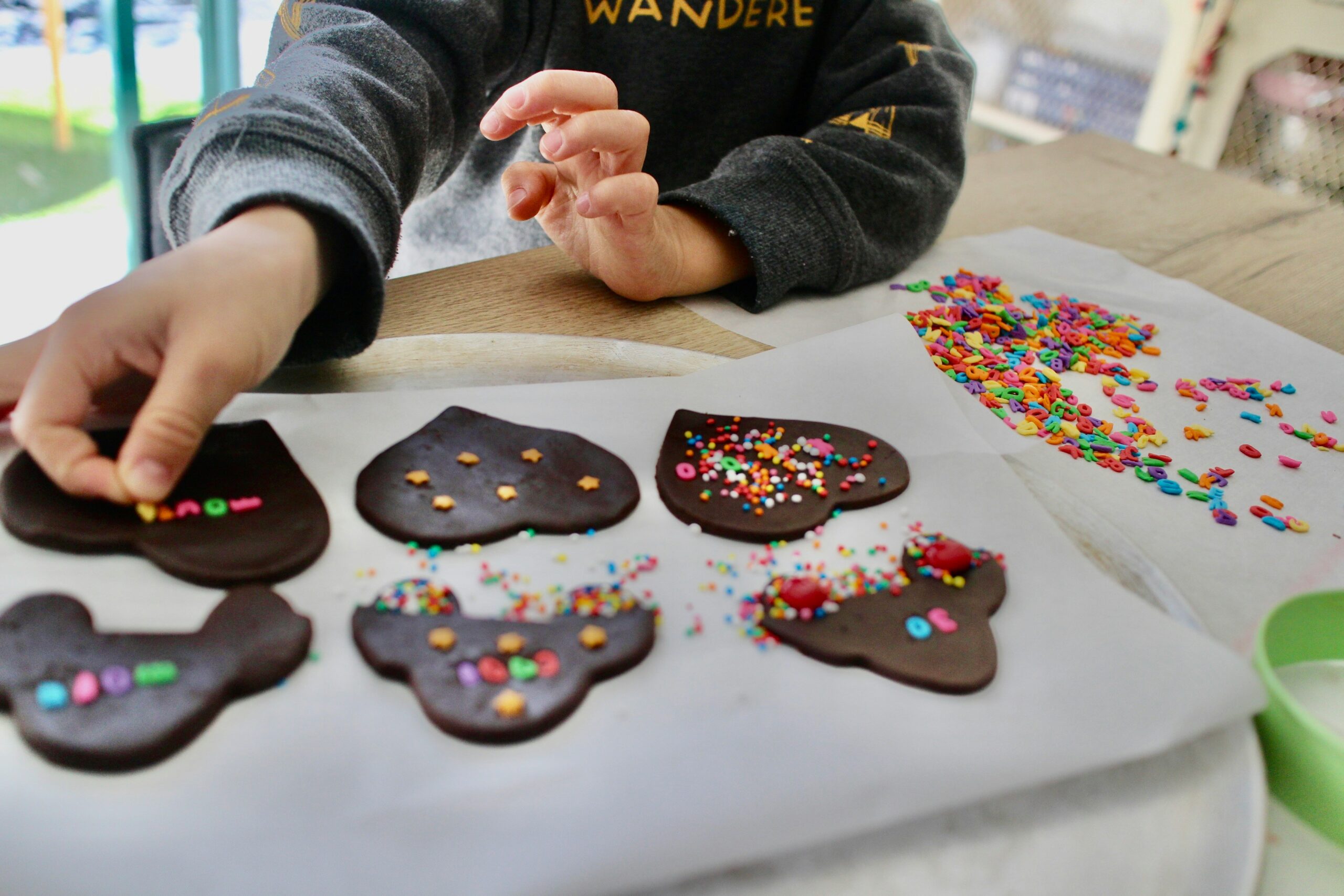
Math

Movement and Music
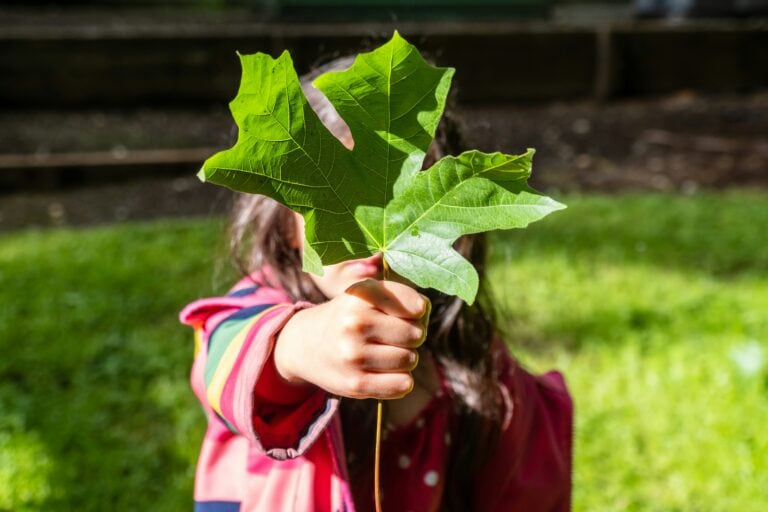
Science

Social Studies
references:
Polyvagal Institute.” (2024, May 13). What Is The Polyvagal Theory. Retrieved from https://www.polyvagalinstitute.org/whatispolyvagaltheory