
Watch and Learn

Play with Them
Play is a rich source of learning for children, and you can actively participate in and guide play experiences that promote curiosity, problem-solving, and creativity. Provide open-ended materials and opportunities for imaginative play, sensory exploration, and hands-on experimentation. You can observe your child during playtime, noting what activities they naturally gravitate towards, how they engage with materials, and what interests them the most. This can provide your with valuable insights into your child’s preferences, strengths, and areas of curiosity.
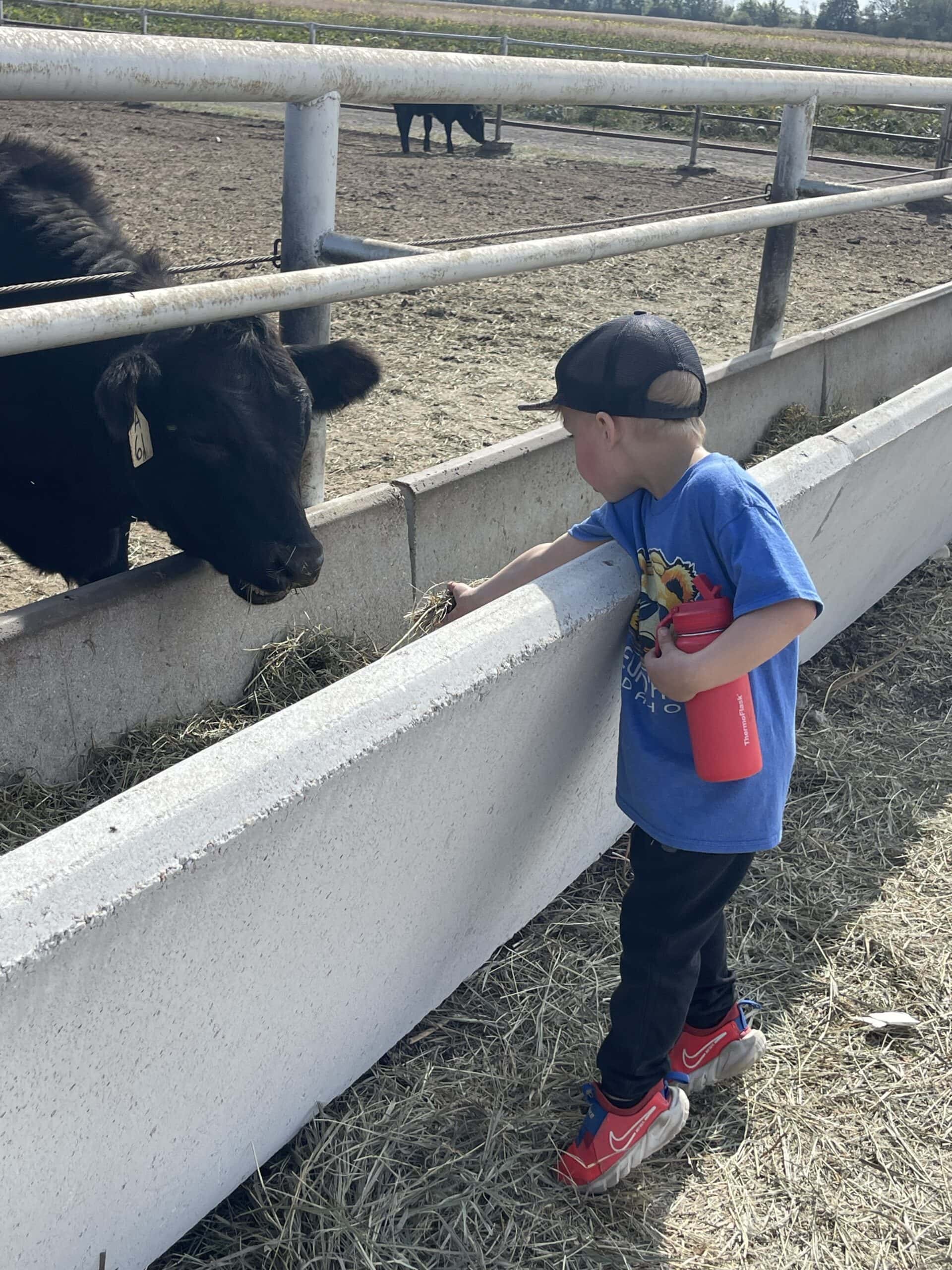
Look for the learning
Staying engaged helps you recognize and seize teachable moments as they arise throughout the day. Whether it’s observing a bird building a nest outside the window, counting the number of stairs on a staircase, or discussing the colors of fruits and vegetables at the grocery store, you can use these spontaneous moments to spark curiosity and encourage exploration. After observing your child, you can engage in reflective discussions to deepen your understanding of the your child’s learning process. Using declarative language you can engage with your child listening to their thoughts, ideas, and discoveries, providing further insight into their learning journey.
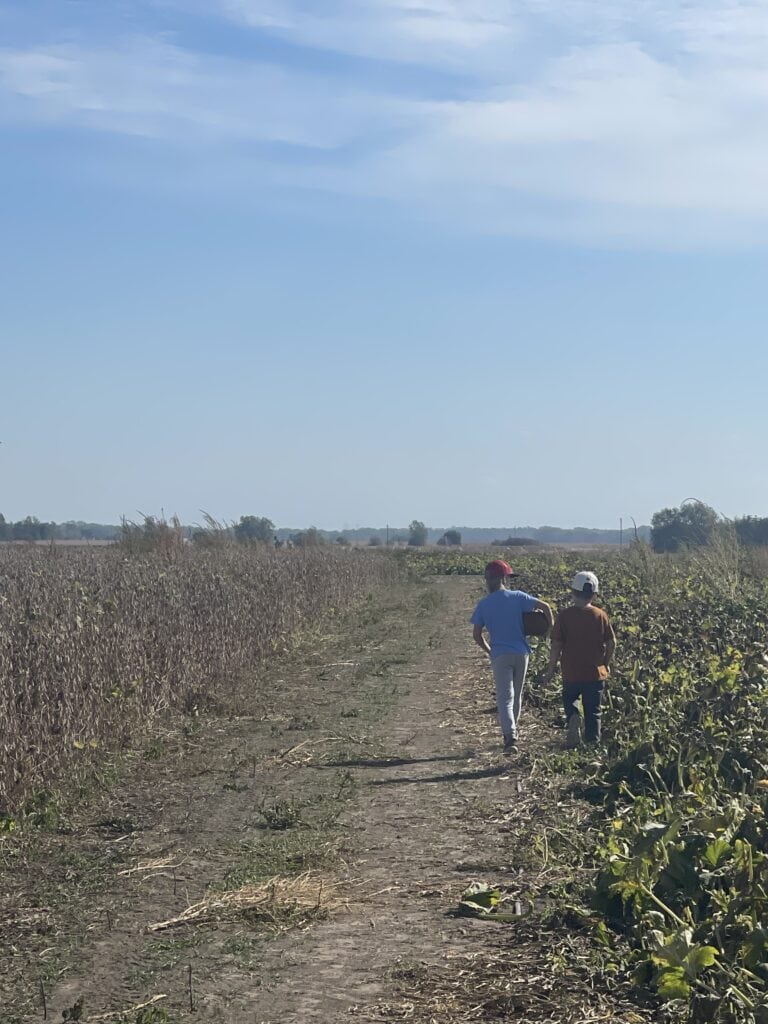
Follow their lead
You can observe your child’s natural interests and passions, looking for ways to incorporate these into daily activities and outings. For example, if your child shows an interest in insects, a trip to the park becomes an opportunity to explore and learn about different bugs and their habitats. You can make a habit of regular observation and actively watch your child engage in self-directed learning activities. This allows you to observe your child’s problem-solving skills, creativity, persistence, and critical thinking abilities in action.

documentation
Take the time to explore your child’s creations and learning experiences, including photographs, artwork, written reflections, and projects. This will allow you to gain a comprehensive understanding of your child’s development over time, identifying patterns, interests, and areas for further exploration. Remember, the primary goal of these projects and documentation is not to simply provide evidence of learning but to serve as a valuable tool in enriching your child’s self-directed learning journey. Additionally, be aware that different states may have varying guidelines regarding documentation, so it’s essential to understand what is required for your child under the law.