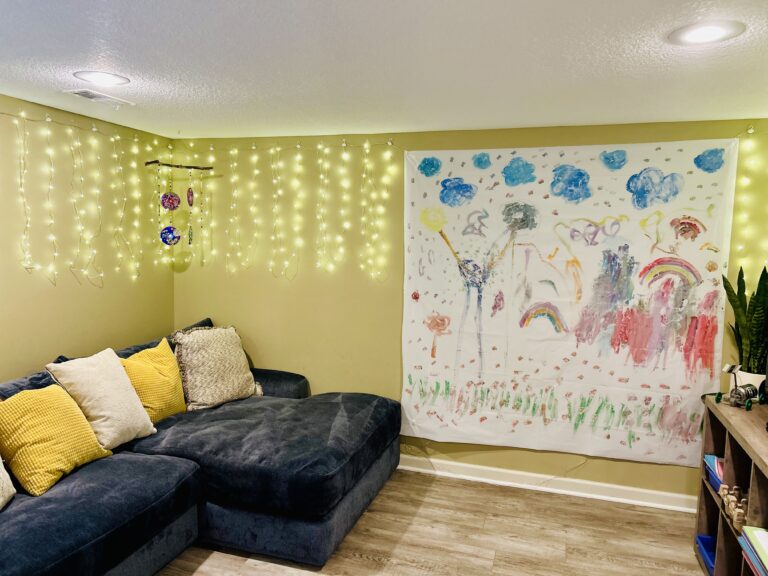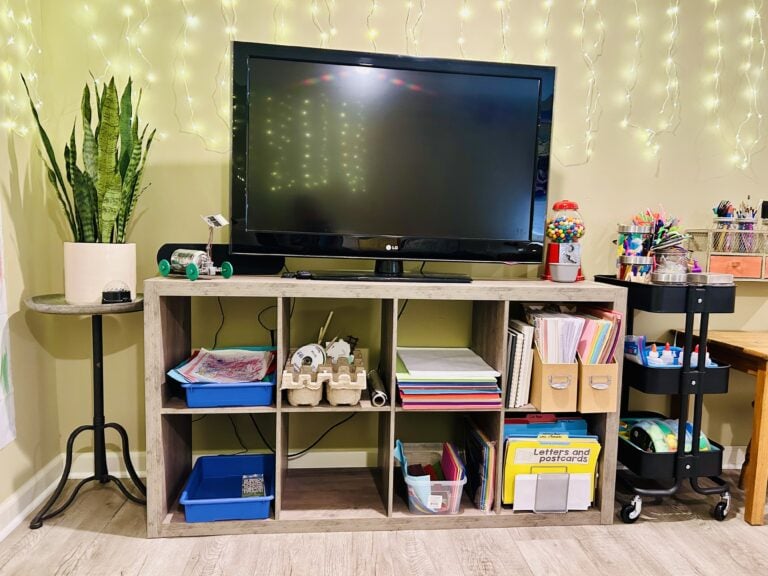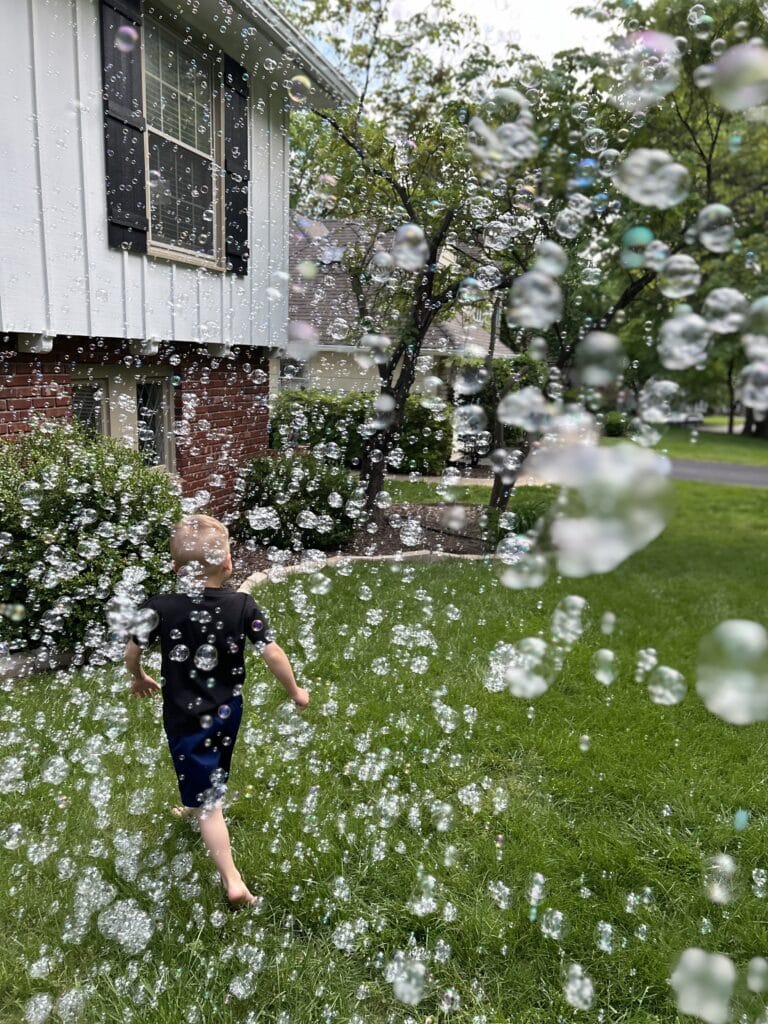
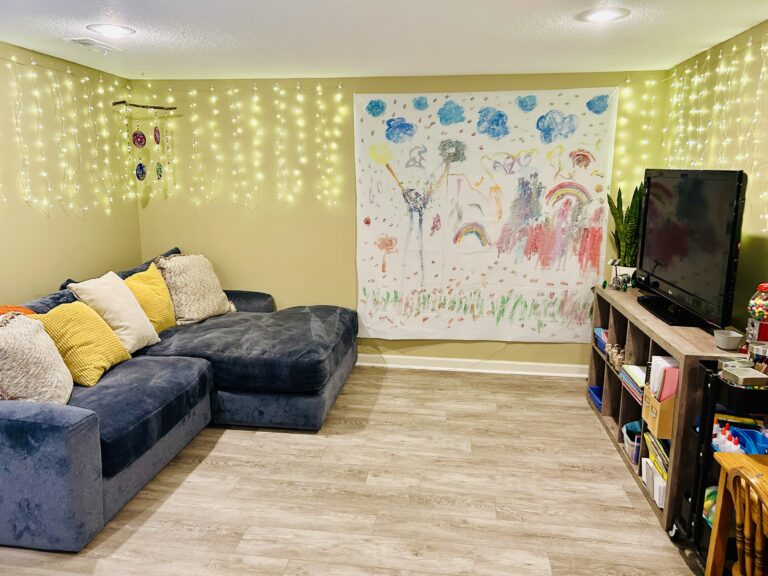
Self-directed learning environment-Creating a space for my children opened doors to their willingness to explore and learn.

Creating a space for my children opened doors to their willingness to explore and learn.
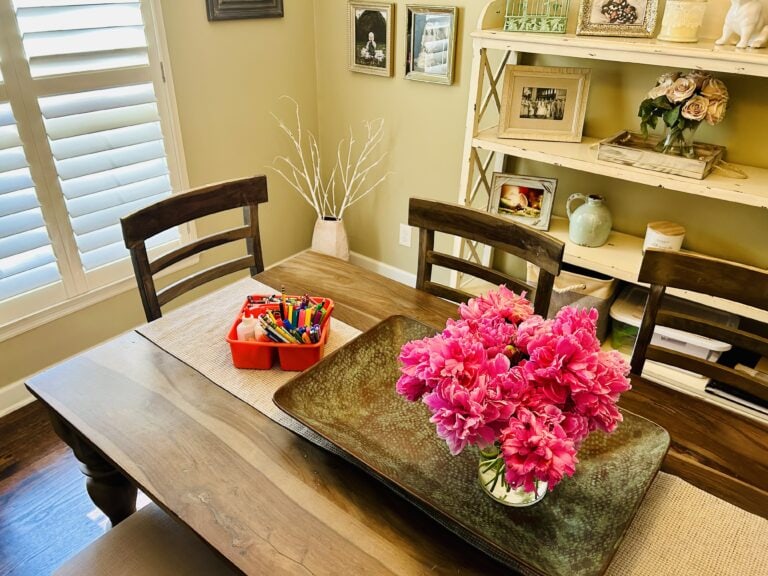
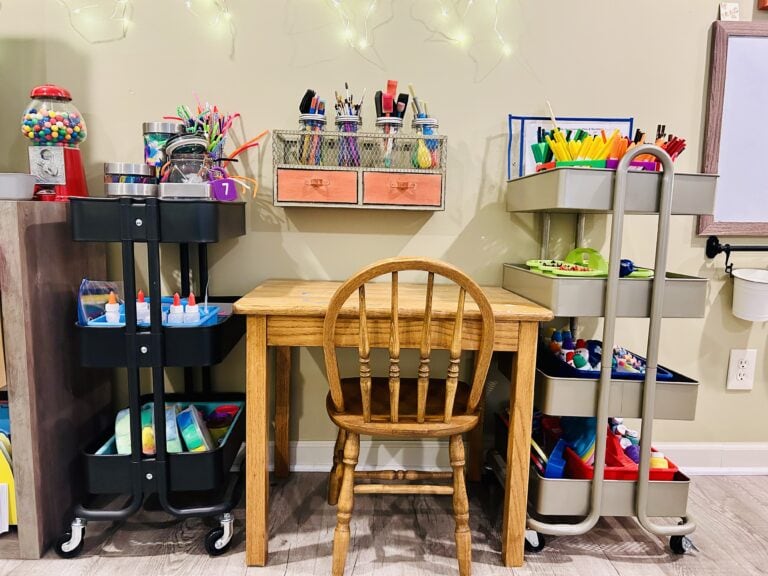
Self-directed learning environment-Creativity thrives around this table. From experiments to masterpieces, this is where ideas come to life.

Creativity thrives around this table. From experiments to masterpieces, this is where ideas come to life.

Crafting the Environment

In self-directed learning, the environment plays a crucial role. Drawing inspiration from the Reggio Emilia approach, which refers to the environment as the ‘third teacher’ in ‘The Hundred Languages of Children‘ by Carolyn Edwards, Lella Gandini, and George Forman. I’ve discovered that the environment serves as the catalyst for countless learning opportunities led by my child. While this approach is not the only path to creating an effective learning environment for your child, I wanted to share it with you as it has proven successful for mine and many others.

Creating the Space

choose a comfortable and inviting space

Set up a dedicated workspace at home for self-directed learning, where comfort and fun rule. Additionally, to create a calm and inviting space, be sure there is plenty of light, cozy seating, and room to move around. Additionally, ensure materials are easily accessible for your child, enabling them to explore freely. Naturally, expect projects to be left out and messes to happen—it’s all part of the learning process.

Remember, every family’s setup is different, so focus on creating a space that fits your family’s needs and resources. Ultimately, the goal is to trust your child with the space and materials, while fostering independence and strengthening your bond. By shifting your mindset and empowering your child to take charge, you’ll build a solid foundation for their learning and growth. Moreover, here are a few examples of how to use a space to create a self-directed learning environment.
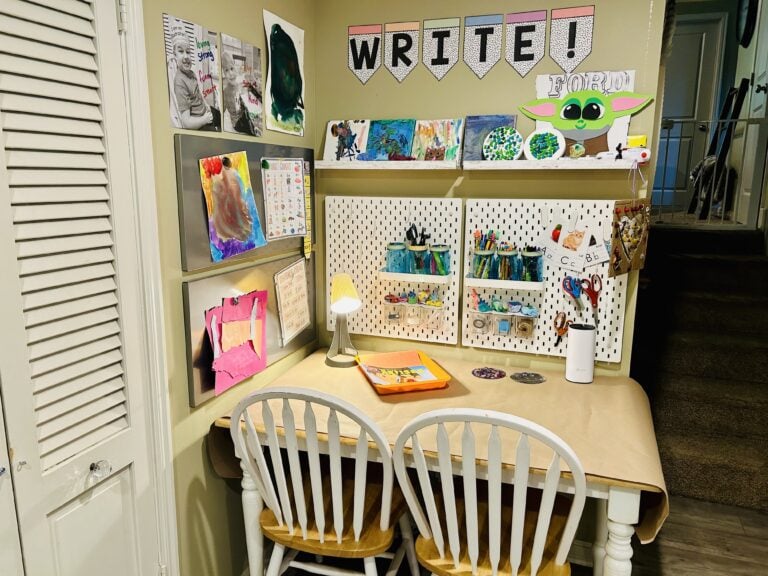
Self-directed learning environment-Creation station

creation station

Cozy spaces

Cozy spaces

Self-directed learning environment-Materials

Materials

Displaying projects

Displaying projects

Bring in nature
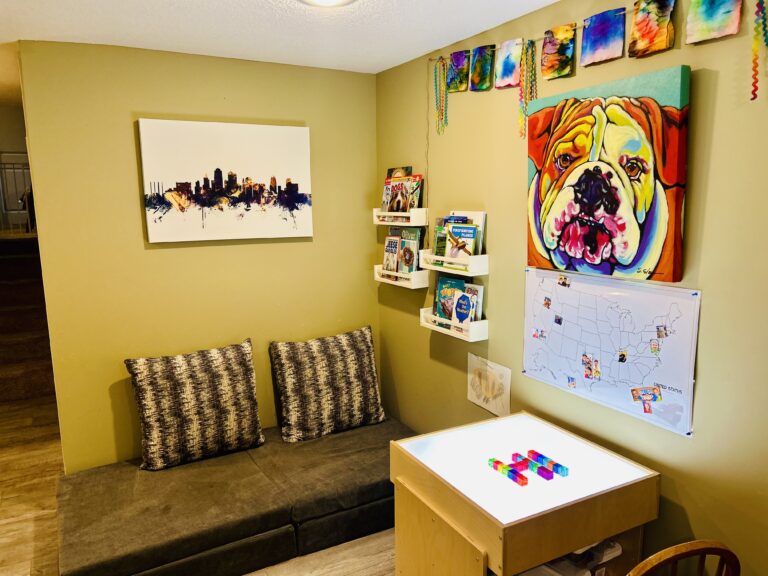
Bring in nature

Sensory exploration

Sensory Exploration

Resources

Resources

Access to outdoors

Access to outdoors

Creating An Overall Feel…

  • Aesthetic Environment: Creating an aesthetically pleasing and thoughtfully arranged environment is essential. First and foremost, this fosters curiosity, encourages exploration, and promotes engagement. Additionally, incorporating natural materials, soft lighting, and neutral colors can help establish a calm and inviting atmosphere. Above all, the environment should belong to the child. Trusting that they will utilize the space as needed to learn and grow is fundamental.
  • Flexible Learning Spaces: The space should be flexible, allowing for movement, collaboration, and exploration. In Reggio Emilia, they are divided into different areas, or “atelier,” dedicated to various learning experiences such as art, sensory exploration, reading nook, building, science and nature, and dramatic play. Similarly, you can get creative in how you incorporate these into your space, while choosing what works best for your child.
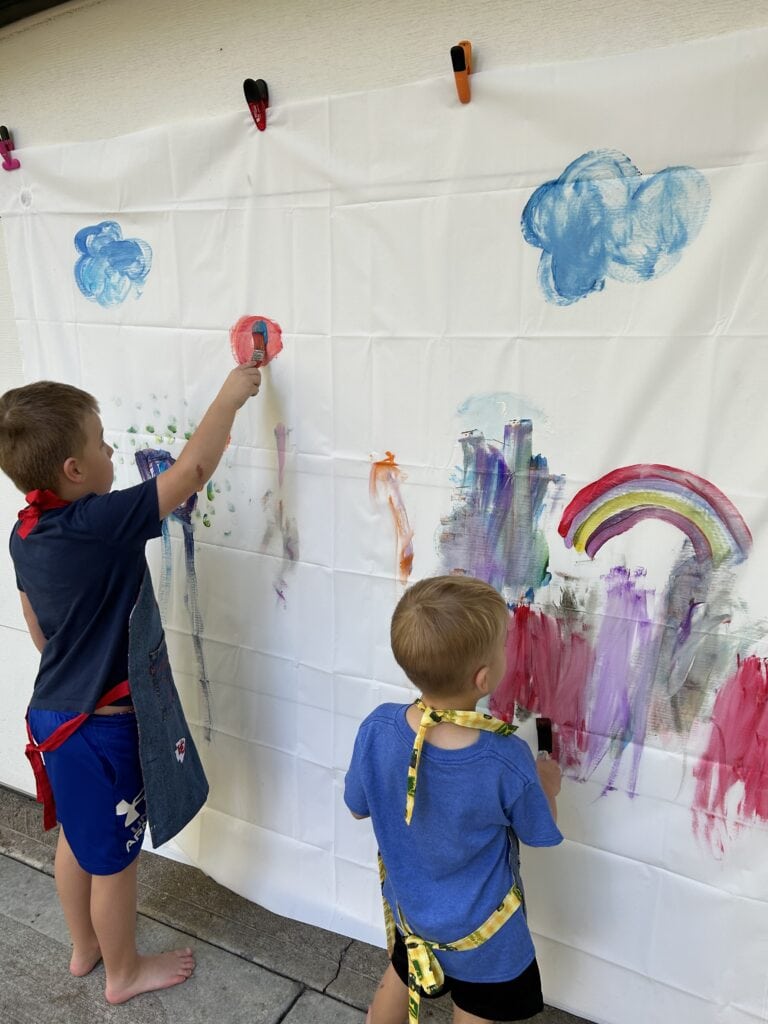
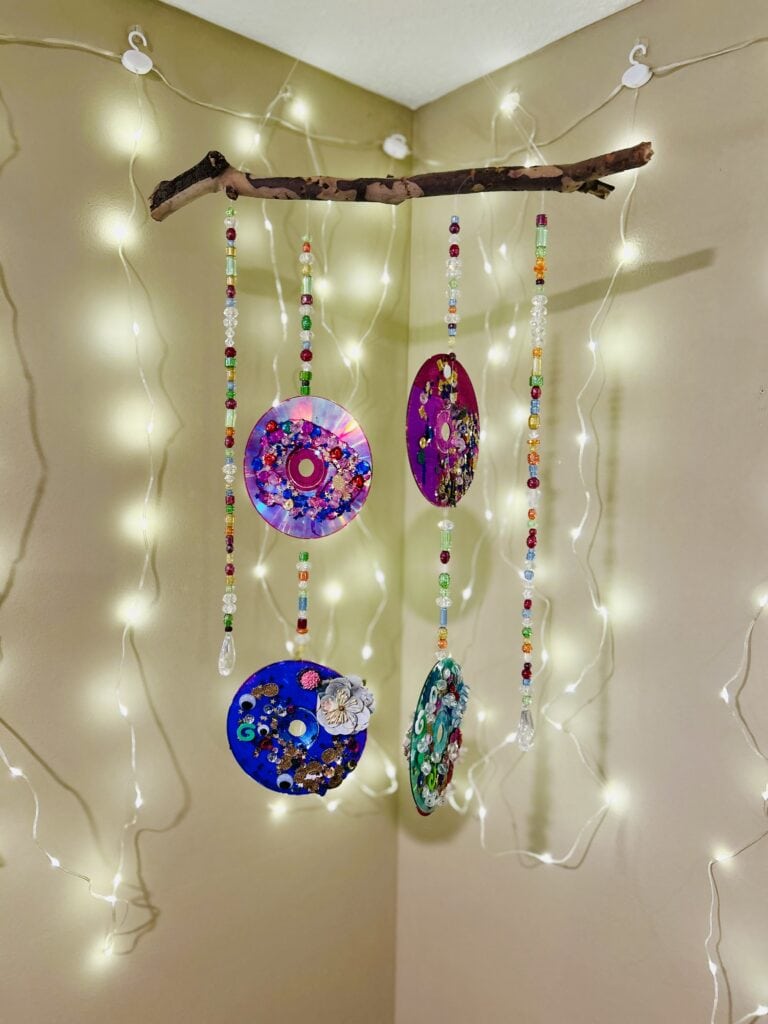
  • Displaying Projects: Throughout the environment, children’s creations can be proudly displayed, offering a glimpse into their learning journey through play and art. From colorful artwork and imaginative projects to written reflections and documentation, these displays serve as a platform for children to express themselves and communicate their learning and most importantly their interests. More than just decorations, they inspire reflection, spark curiosity, while encouraging further exploration. For parents, they can provide valuable insights into their child’s interests, strengths, and growth as a learner.
  • Natural Light and Outdoor Spaces: Reggio Emilia environments prioritize natural light, incorporating large windows and access to outdoor spaces whenever possible. Outdoor environments extend the learning environment, offering opportunities for nature exploration, gardening, and outdoor play. Adapt to the space available; for example, in our space lacking natural light, we used soft lighting to enhance the area. Also, keep in mind that learning can seamlessly extend outdoors, offering children a dynamic and enriching experience everywhere.
  • Open-Ended Materials and Resources: Offer a wide variety of open-ended materials and resources that encourage creativity, exploration, and self-expression. These may include art supplies, loose parts, natural materials, found objects, and recycled materials that can be used in diverse ways to support children’s interests and learning. Strewing materials and resources throughout the environment to observe what captures your child’s curiosity and encourages further exploration and learning.
  • Collaborative Learning and Inquiry-Based Projects: Collaborate actively with your child, working together on projects, investigations, and activities. Encourage inquiry-based projects that allow your child time to explore topics of interest in depth. Follow their interests and questions, conduct research, and make discoveries together collaboratively.
  • Strong Relationships and Community Involvement: Establishing strong connections between children, families, and the wider community is paramount. As your child’s self-directed education guide, it’s crucial to actively engage in their learning experiences and facilitate access to community resources and experts based on their passions and interests.